Colorado Alpine Wildflower Guide: Where to See Peak Blooms, When to Go, and Leave‑No‑Trace Safety Tips
Colorado’s alpine wildflower displays are one of the most rewarding reasons to get outdoors, offering brilliant carpets of columbine, Indian paintbrush, lupine, and alpine forget-me-not across high meadows and scree slopes. With a bit of planning and responsible behavior, you can enjoy peak blooms while protecting fragile alpine ecosystems and...
Colorado’s alpine wildflower displays are one of the most rewarding reasons to get outdoors, offering brilliant carpets of columbine, Indian paintbrush, lupine, and alpine forget-me-not across high meadows and scree slopes.
With a bit of planning and responsible behavior, you can enjoy peak blooms while protecting fragile alpine ecosystems and staying safe on high-elevation trails.
Where and when to go
– Lower-elevation foothills and montane meadows bloom from late spring into early summer, while subalpine and alpine zones reach peak color later, often from mid-summer into early late-season depending on snowpack.
– Iconic viewing areas include high basins and trailheads found in the Front Range, the Elk and San Juan ranges, and protected areas such as national parks and wilderness areas. Popular spots draw crowds—consider lesser-known trailheads or exploring side basins for quieter experiences.
Leave No Trace for wildflowers
– Stay on established trails and durable surfaces. Mountain plants grow in shallow soil and break easily; stepping off-trail causes lasting damage.
– Never pick or dig up wildflowers. Removing even a single plant can reduce an entire patch over time.
– Pack out all trash, including biodegradable items like orange peels or coffee grounds that can alter soils and attract wildlife.
Practical safety and comfort tips
– Altitude matters: many wildflower meadows sit above tree line. Allow time to acclimate, watch for symptoms of altitude illness, and be ready to descend if you feel unwell.
– Layer clothing for rapid weather swings—sun, wind, rain, and sudden drops in temperature are common in mountain environments.
– Wear sturdy footwear; much of the best flower viewing requires walking on uneven, rocky ground. Gaiters can help keep scree and pollen out of boots.
– Bring adequate water, snacks, sunscreen, a hat, and sunglasses. High-altitude sun is intense even on overcast days.
– Use insect repellent where mosquitoes and ticks are present, especially around wet meadows.
Wildlife and human-wildlife interactions
– Flower-rich meadows attract pollinators and larger mammals.
Observe wildlife from a distance and never feed animals. Store food securely while camping or taking breaks.
– Be bear-aware when venturing into backcountry zones—carry bear spray where recommended and know how to use it.
Photography and enjoyment
– For the best photos, shoot in early morning or late afternoon when light is softer and insect activity is lower. Low-angle shots emphasize foreground blooms against mountain backdrops.
– Consider a small macro lens or a phone with close-focus capabilities to capture detail, but avoid pressing into plant patches to get a shot—use a longer lens or reposition on durable ground instead.
Planning and permitting
– Check local trail conditions, snowpack reports, and any seasonal access restrictions before heading out. Some trailheads and campsites require reservations or permits; verify rules for the area you plan to visit.
– Time visits for weekdays or earlier start times to avoid crowds at popular trailheads.
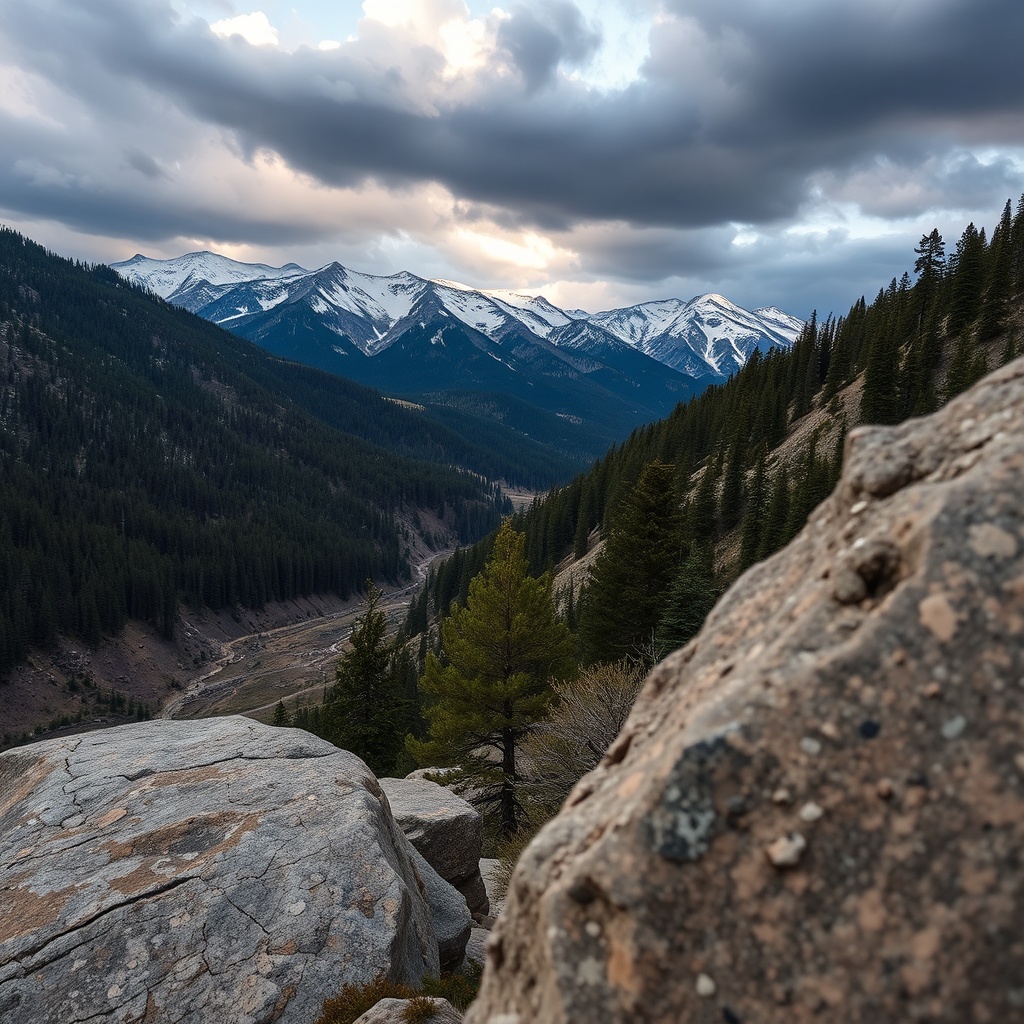
Why it matters
Alpine and subalpine wildflower habitats are sensitive to trampling, erosion, and changing climate conditions that shift bloom timing and duration. Responsible recreation preserves these meadows for future visitors and the pollinators that rely on them.
With sensible preparation, respect for the landscape, and awareness of local regulations, wildflower season can be a spectacular and sustainable way to experience Colorado’s high-country beauty.