Colorado Wildfire Safety: Essential Tips for Hikers, Homeowners, and Communities
Colorado’s mountains, forests, and high plains draw people year-round, but the state’s spectacular landscapes come with responsibilities—especially when it comes to wildfire risk and outdoor safety. Balancing recreation with resilience keeps communities and ecosystems healthy while letting visitors enjoy trails, campsites, and scenic drives. Why wildfire risk mattersWarmer temperatures, variable...
Colorado’s mountains, forests, and high plains draw people year-round, but the state’s spectacular landscapes come with responsibilities—especially when it comes to wildfire risk and outdoor safety. Balancing recreation with resilience keeps communities and ecosystems healthy while letting visitors enjoy trails, campsites, and scenic drives.
Why wildfire risk matters
Warmer temperatures, variable snowpack, and insect-driven tree mortality make many Colorado forests more flammable. Urban growth along the wildland-urban interface increases the potential for human-caused ignitions and complicates evacuation logistics.
Understanding that risk helps residents and visitors make smarter choices that reduce fire starts and mitigate damage.
Practical wildfire and hiking safety tips
– Check current fire restrictions and forest closures before heading out. Local land management agencies post alerts that affect campfires, smoking, and motorized travel.
– Choose established campsites and existing fire rings where fires are allowed.
When campfires are permitted, keep them small, attended, and fully extinguished using the drown–stir–feel method until cold to the touch.
– Pack out trash and leftover food; humans and pets attracted to campsites can increase risk and harm wildlife.
– Avoid using disposable grills or fireworks in natural areas. Even a single spark can become a large wildfire under dry conditions.
– Stay on marked trails to reduce trampling of vegetation that helps retain moisture and stabilize soil. Off-trail travel can compact soils and increase erosion, making landscapes more susceptible to fire and post-fire flooding.
Protecting homes and neighborhoods
Home hardening and defensible space significantly reduce the chance that a wildfire will damage structures.
Simple, effective measures include:
– Create and maintain defensible space around buildings by clearing flammable vegetation within recommended distances and removing tree limbs within several feet of the roof.
– Use fire-resistant materials for roofing, siding, and decks when possible; keep gutters clear of pine needles and debris.
– Install ember-resistant vents and screen openings to reduce the chance of embers igniting interiors.
– Develop and rehearse an evacuation plan for family members and pets; prepare a “go-bag” with insurance documents, medications, and emergency supplies.
Community and land management strategies
Landscape-scale approaches—such as prescribed burns, mechanical thinning, and restoration projects—support long-term forest health and reduce severe fire behavior. Homeowners can support these efforts through local forest health collaboratives and by participating in community chipping days and fuel-reduction programs.
Air quality and smoke awareness
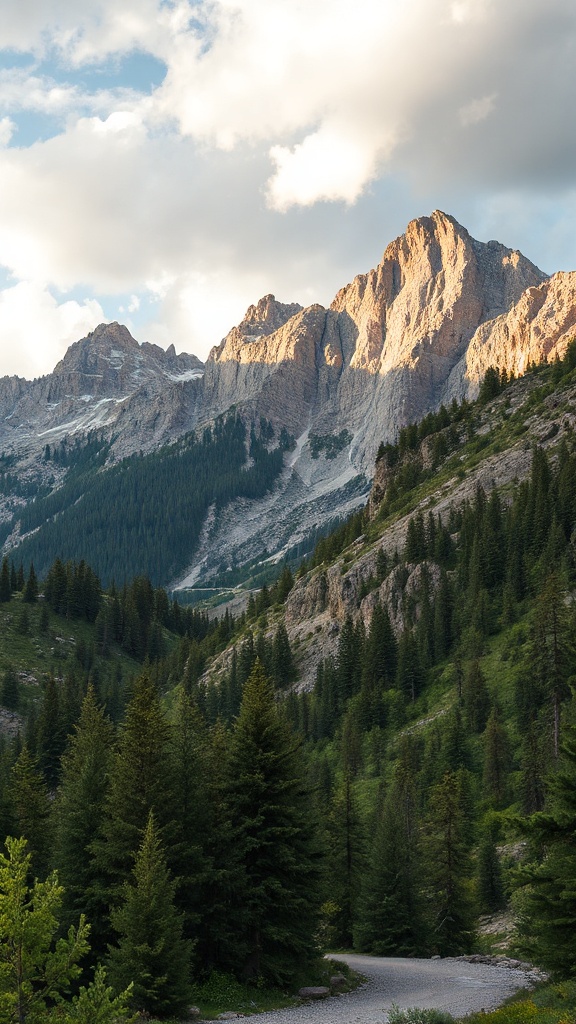
Wildfire smoke can travel long distances and affect urban areas. Track air quality indexes before outdoor plans, and limit strenuous activity during heavy smoke.
High-quality particulate masks (N95 or equivalent) and portable air purifiers help protect sensitive individuals when smoke is present.
Enjoying Colorado responsibly
Colorado’s outdoor experiences are richer when recreation goes hand-in-hand with stewardship.
By following fire restrictions, practicing Leave No Trace principles, preparing homes for wildfire risk, and supporting restoration efforts, residents and visitors can help safeguard landscapes that are central to Colorado’s identity. Stay informed, plan ahead, and enjoy the outdoors with an eye toward resilience.