Denver Neighborhood Guide: Top Areas, Outdoor Adventures & Eats
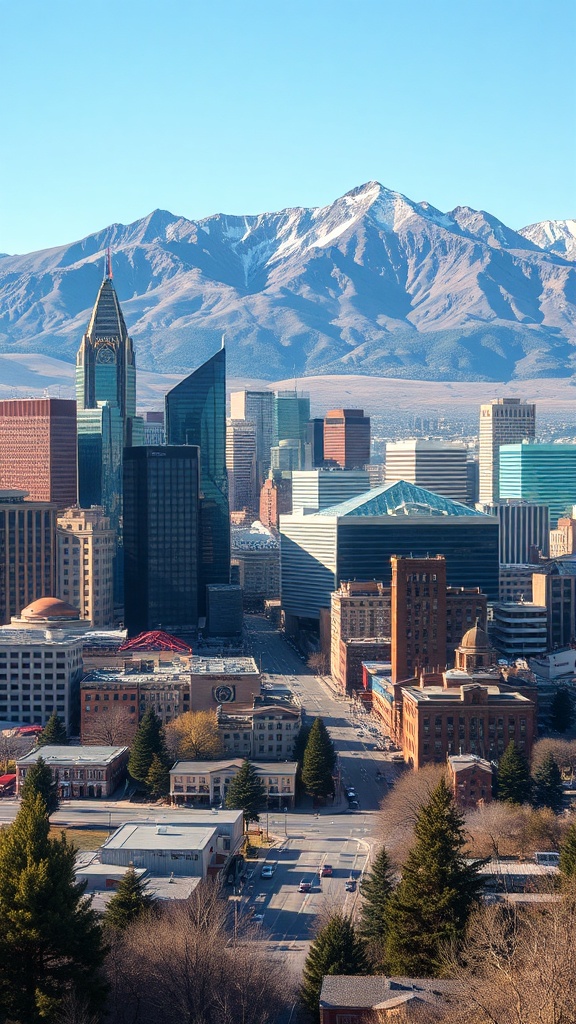
Denver balances big-city energy with easy outdoor access, making it a top destination for travelers and a favorite home base for locals who love the mountains. Whether you’re drawn to craft beer, live music, farmers markets, or bike-friendly streets, the city delivers a variety of neighborhoods and experiences that suit...
Denver balances big-city energy with easy outdoor access, making it a top destination for travelers and a favorite home base for locals who love the mountains. Whether you’re drawn to craft beer, live music, farmers markets, or bike-friendly streets, the city delivers a variety of neighborhoods and experiences that suit every pace.
Why people keep choosing Denver
Denver’s appeal comes from its blend of urban amenities and nature.
Wide boulevards and leafy parks sit alongside bustling districts filled with restaurants, galleries, and breweries.
The city’s location makes day trips to alpine trails, scenic drives, and world-class ski areas straightforward for those who want a mountain escape without moving far.
Neighborhoods that define the city
– Downtown/LoDo: The historic Lower Downtown area offers brick warehouses turned into bars, restaurants, and lofts.
It’s a nightlife and sports hub with easy access to cultural institutions and the transit spine.
– RiNo (River North Art District): Known for street art, experimental restaurants, and creative energy, RiNo is the place for gallery hopping and craft cocktails.
– Cherry Creek: Upscale shopping and tree-lined streets make this neighborhood a go-to for boutique retail and a refined dining scene.
– Highlands & Berkeley: These adjacent areas are packed with independent shops, coffeehouses, and great parks, popular with families and young professionals.
– Wash Park (Washington Park): Best for relaxed outdoor time — lakes, flower beds, and miles of pathways create a neighborhood that feels like a year-round retreat.
Outdoor life without the commute
Parks are central to Denver living.
City Park and Washington Park provide lakefront views and running loops, while Cherry Creek Trail and South Platte River Trail are favorites for cyclists and commuters. Red Rocks Amphitheatre combines music and natural beauty; catch an evening show or visit during the day for a workout with a view.
Food, drink, and cultural highlights
Denver’s culinary scene has matured beyond staples like green chili; you’ll find award-caliber restaurants, inventive food halls, and a growing roster of international cuisine.
The city remains a craft-beer powerhouse, with dozens of microbreweries and taprooms concentrated in walkable neighborhoods. Farmers markets and local producers keep menus seasonal and vibrant.
Getting around
Denver’s regional transit system includes light rail, buses, and commuter rail lines that reach major neighborhoods and the airport corridor.
Bike-share programs and protected bike lanes make short trips easy; downtown’s grid and many neighborhoods are highly walkable. For visitors, choosing a centrally located neighborhood can minimize reliance on a car while keeping mountain adventures within reach.
Practical tips for visitors and newcomers
– Reserve popular restaurants and concert tickets ahead of time, especially for weekend plans.
– Layer clothing: Denver’s high-altitude climate means sunny afternoons can turn brisk quickly after sunset.
– Use transit apps and local bike maps to navigate efficiently; parking in busy districts can be limited and pricey.
– Explore beyond the famous attractions: neighborhood farmers markets, community events, and smaller venues often provide the most memorable experiences.
Denver continues to evolve while retaining the outdoor-forward lifestyle that defines it.
Whether you’re here for a long weekend or scouting neighborhoods to move into, the city rewards curiosity — from towering red-rock amphitheaters and leafy parks to innovative eateries and neighborhood breweries waiting to be discovered.