Denver Tech Center Transformation: Office Conversions, New Dining, and the Future of DTC
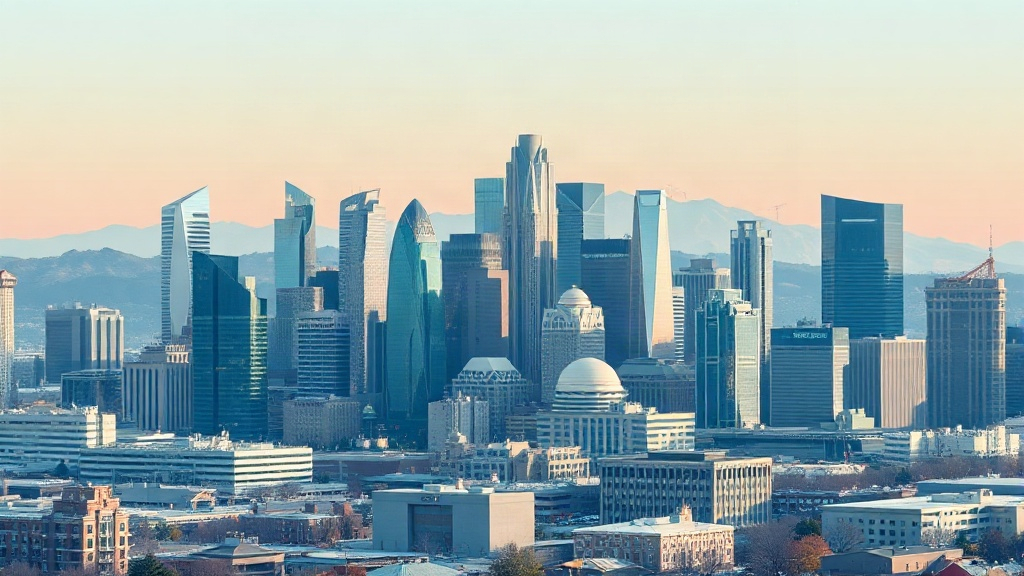
The Denver Tech Center has spent decades as the region's corporate backbone, a sprawl of glass towers along I-25 where telecom, software, and financial firms have long set up shop. Right now, though, the neighborhood is changing in ways that go well beyond who holds the lease. Recent headlines point to a district rethinking what an office park should be.
Office Space Is Being Redefined
Several recent deals show how fluid the DTC market has become. An Indiana-based developer recently nearly tripled its Denver footprint with a new corporate office lease, a notable move at a time when many companies are shrinking their space. Around the same time, two local firms partnered to buy a DTC office tower, a sign that homegrown investors see value in the submarket even as competition for tenants heats up.
Taken together, these transactions suggest a market that is sorting itself into winners and losers. Buildings with modern amenities, strong transit access, and flexible floor plans are attracting both tenants and capital. Older, commodity-style space is under pressure to adapt or find a new purpose.
From Cubicles to Condos
Nothing illustrates that shift better than the office conversion project in the Denver Tech Center that has begun welcoming its first residents. Turning a commercial tower into homes is technically demanding, since deep floor plates, limited natural light, and plumbing layouts all complicate the work. Yet the payoff is significant for a metro area still wrestling with housing costs.
For the DTC, residential conversions do more than add units. They bring people into an area that has historically emptied out after 5 p.m. More residents mean more demand for groceries, fitness studios, childcare, and, increasingly, places to gather in the evening.
Dining and Hospitality Follow the People
That last point is already visible on the ground. A new Barcelona-inspired wine bar is nearing its debut in the Denver Tech Center, adding to a growing roster of restaurants and social venues aimed at both workers and neighbors. Hospitality operators tend to be reliable indicators of where a district is headed, and their willingness to open in the DTC signals confidence that foot traffic will hold up beyond the lunch rush.
For tech employers, this matters. Talent expectations have shifted, and candidates often weigh the surrounding neighborhood as heavily as the office itself. A campus that offers walkable dining, nearby housing, and light-rail access competes far better against downtown Denver, Boulder, and the RiNo corridor.
What It Means for Denver's Tech Scene
Denver's tech community has traditionally been spread across several hubs. LoDo and RiNo attract startups and creative-minded teams, Boulder draws research-heavy companies, and the DTC appeals to established enterprises and those who value easy highway access and ample parking. The southeast submarket's evolution could make it a more balanced alternative rather than simply a suburban fallback.
A few trends are worth watching:
- Mixed-use momentum: Expect more developers to pair office, residential, and retail in a single master plan. - Flight to quality: Tenants continue to favor renovated, amenity-rich buildings, which will keep pressure on outdated properties. - Local capital: Partnerships among Colorado-based firms show growing confidence in the area's long-term fundamentals. - Transit-oriented thinking: Proximity to the light-rail line remains a major selling point for employers and residents alike.
The Road Ahead
None of this guarantees an easy path. Office vacancy remains a challenge across the metro, financing costs still weigh on large projects, and conversions will not be feasible for every building. Competition among submarkets is intensifying, and the DTC must keep investing in its public spaces and connectivity to stay relevant.
Still, the direction is clear. The Denver Tech Center is evolving from a nine-to-five office district into a more complete neighborhood, one where people can work, live, and unwind within a few blocks. For companies weighing where to plant their flag, and for residents curious about the next chapter of Denver's economy, this is a corner of the metro worth watching closely.