Denver Travel Guide: Neighborhoods, Outdoor Adventures & Altitude Tips
Denver blends big-city energy with immediate access to mountain wilderness, making it a top pick for travelers, new residents, and anyone who loves a balance of culture and outdoor life. Known as the Mile High City, Denver’s elevation and sunny climate shape how people live, play, and eat here. What...
Denver blends big-city energy with immediate access to mountain wilderness, making it a top pick for travelers, new residents, and anyone who loves a balance of culture and outdoor life. Known as the Mile High City, Denver’s elevation and sunny climate shape how people live, play, and eat here.
What to expect outdoors
Denver’s location at the edge of the Rocky Mountains puts hiking, biking, skiing, and rafting within easy reach. Popular trailheads and scenic drives are a short, scenic trip away, so weekend escapes are routine for locals. Urban parks such as City Park and Washington Park offer green space for running, picnics, and casual sports, while spots like Red Rocks Amphitheatre combine natural beauty with live music in a truly unique setting.
Practical tips for the altitude
At roughly one mile above sea level, Denver’s elevation affects weather and physical activity. Hydration and sun protection are essential—air is drier and sun exposure is stronger. New arrivals should take it easy on high-intensity exercise for a day or two, and cyclists or hikers should plan routes with elevation gain in mind.
Neighborhoods to explore
Denver’s neighborhoods each have distinct personalities.
LoDo (Lower Downtown) centers around historic brick buildings, nightlife, and the city’s transportation hub. RiNo (River North Art District) is known for street art, breweries, and a thriving creative scene. Cherry Creek attracts upscale shopping and dining, while Capitol Hill and Five Points offer rich cultural histories and diverse restaurant options.
Highlands provide excellent views of the skyline and a more residential, boutique feel.
Food, drink, and culture
Dining in Denver ranges from elevated farm-to-table restaurants to casual taquerias and beloved food halls. The craft beer scene is robust, with dozens of breweries and taprooms scattered across neighborhoods and industrial corridors. Coffee shops, bakeries, and international eateries reflect a growing culinary diversity that keeps food lovers exploring.
Arts and attractions
Cultural institutions anchor Denver’s downtown and museum districts.
Visual and performing arts venues present local talent and touring shows, and museums offer family-friendly science and history exhibits. Outdoor public art and murals bring color to many neighborhoods, and markets and seasonal festivals create frequent opportunities to sample local makers and chefs.
Getting around
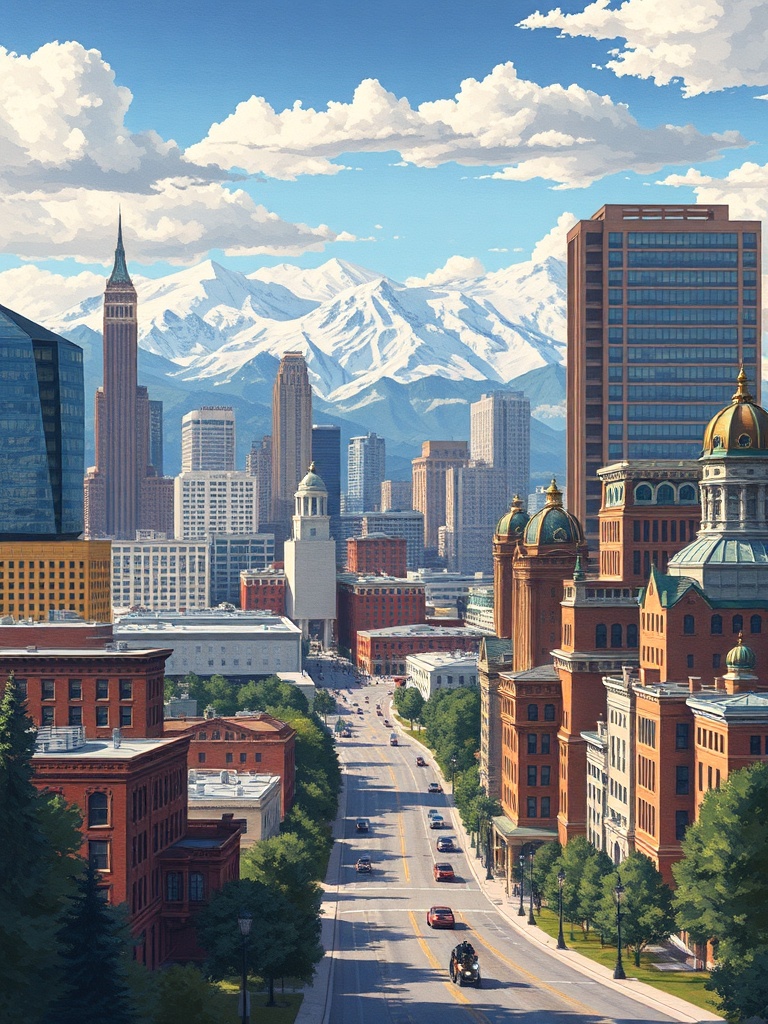
Denver’s transit network combines light rail, buses, and commuter options that connect downtown to neighborhoods and the airport.
Ride-sharing, bike lanes, and pedestrian-friendly areas make short trips easy. Many visitors find that a combination of transit and walking reveals the city’s character most completely.
Tips for visitors and newcomers
– Give yourself time to adjust to elevation—hydrate and pace physical activities.
– Pack layers; Denver can have rapid temperature swings between morning and evening.
– Explore beyond downtown—each neighborhood has its own flavor and hidden gems.
– Check local calendars for live music, pop-up markets, and seasonal outdoor events.
Whether you’re drawn by outdoor adventure, a lively food and drink scene, or neighborhoods with strong community vibes, Denver offers an appealing mix of urban convenience and mountain access. Plan a few quieter hours to stroll neighborhoods and a day trip to the foothills, and you’ll see why so many people are captivated by the city’s balance of culture and nature.