How to Verify Breaking News: Quick Checklist to Fact-Check Before You Share
How to Verify Breaking News: A Practical Guide for Smart Sharing Breaking news travels fast. Social feeds and group chats often bring the first alerts, but speed can mean mistakes. Verifying before you share helps prevent misinformation from spreading and keeps conversations grounded in fact. Follow these practical steps to...
How to Verify Breaking News: A Practical Guide for Smart Sharing
Breaking news travels fast. Social feeds and group chats often bring the first alerts, but speed can mean mistakes. Verifying before you share helps prevent misinformation from spreading and keeps conversations grounded in fact. Follow these practical steps to evaluate news claims quickly and confidently.
Pause before reacting
Emotion is a driving force behind viral shares. If a headline provokes shock or anger, take a moment. Emotional reactions lower scrutiny.
Giving yourself even a few minutes to check sources can stop false claims from multiplying.
Check the source
Look beyond the headline. Is the story published by a well-known news organization with a history of corrections and transparent sourcing? Be wary of unfamiliar sites with sensational layouts or odd domain names that mimic reputable outlets.
Small details—misspellings in the URL, unusual domain suffixes, or no author listed—are red flags.
Cross-check with reputable outlets
Reliable stories are reported by multiple, independent outlets.
Search for the same claim on established wire services and major newsrooms. If only one obscure site is reporting a dramatic claim, treat it skeptically until more verification appears.
Examine images and videos
Images and clips can be reused out of context or manipulated. Run a reverse image search using tools like Google Images or TinEye to find where a photo first appeared. For videos, look for original uploads, timestamps, and consistent metadata.
Pay attention to weather, signage, or unique landmarks that can help confirm where and when footage was captured.
Verify the account and timestamp
On social platforms, check the poster’s profile history. A long-standing account with consistent posts is more credible than a newly created one.
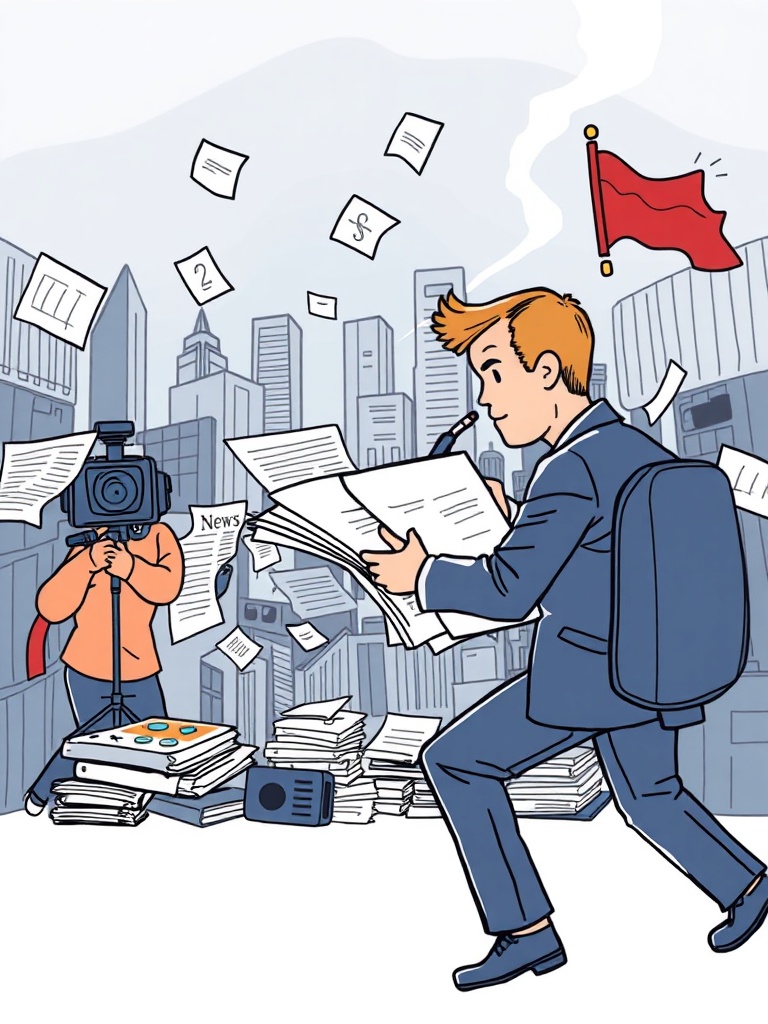
Be cautious with screenshots—these can be fabricated.
Confirm timestamps and, when possible, trace posts back to primary sources (official agencies, on-the-ground reporters, or verified eyewitnesses).
Look for official confirmation
For events involving public institutions or large organizations, official statements matter.
Government agencies, hospitals, police departments, and companies will often publish updates on their websites or verified social accounts. An absence of official confirmation for a major claim is a sign to wait.
Use fact-checking resources
Fact-checking organizations regularly debunk viral falsehoods and provide context. Searching these databases can save time and clarify complex claims. Many newsrooms and nonpartisan organizations maintain searchable archives of verified corrections and investigations.
Watch for manipulation and context shifts
Photos or videos may be genuine but presented with false context—like using footage from a past event to depict a new one. Check surrounding coverage and original posting dates. Beware of synthetic or heavily altered media that changes the factual meaning of a clip or image.
Read past the headline
Sensational or ambiguous headlines are designed to attract clicks.
Reading the full article will often reveal qualifiers, sources, or corrections that change the story’s significance.
If an article lacks sourcing or relies only on anonymous social posts, treat it as unverified.
Share responsibly
If you plan to share breaking news, include a note about verification status: label it as “unconfirmed” or link to primary sources.
Updating or deleting a share when more accurate information emerges is better than letting a falsehood persist.
Quick verification checklist
– Pause and don’t share immediately.
– Check the URL and publisher credibility.
– Cross-check with multiple reputable outlets.
– Run reverse image searches and inspect video metadata.
– Verify account history and timestamps.
– Look for official statements or confirmations.
– Consult fact-checking organizations.
– Avoid sharing if critical details are missing.
Applying these habits turns every reader into a more responsible consumer and sharer of news. Small steps add up: the next time something shocks your feed, a quick verification can prevent misinformation from spreading and support clearer public conversations.