Living in Denver: Outdoor Life, Best Neighborhoods & Transit Tips
Denver’s appeal is a blend of high-altitude outdoor access, a lively urban core, and steady investment in mobility and green infrastructure. Whether arriving for a weekend or settling in longer term, the city offers a mix of neighborhoods, trails, and cultural corridors that reward exploration. Outdoor life is woven into...
Denver’s appeal is a blend of high-altitude outdoor access, a lively urban core, and steady investment in mobility and green infrastructure. Whether arriving for a weekend or settling in longer term, the city offers a mix of neighborhoods, trails, and cultural corridors that reward exploration.
Outdoor life is woven into daily routines.
Wide, sunny skies and a semi-arid climate make walking, running, and biking popular year-round; even short breaks in the day often turn into quick outings. Major green spaces—including Washington Park, City Park, and the South Platte River corridor—serve both recreational and social needs. The Cherry Creek and South Platte trails connect neighborhoods, making it easy to commute by bike or e-scooter while enjoying skyline and river views.
Mountain access is a defining advantage. A relatively short drive takes you from urban streets to trailheads, ski slopes, and alpine lakes. For those new to high altitude, basic precautions—stay hydrated, ease into intense exercise, and use sunscreen—help prevent headaches and sunburn. Winter driving skills and proper tires are important for mountain trips during snowy months.
Neighborhoods show distinct personalities. LoDo (Lower Downtown) offers historic brick warehouses, bustling restaurants, and nightlife; RiNo (River North) is a creative hub of murals, galleries, and craft breweries; Highlands and Sloan’s Lake appeal to those seeking tree-lined streets and local cafes. Cherry Creek delivers upscale shopping and galleries, while Capitol Hill and Cheesman Park provide cultural institutions and dense, walkable living.
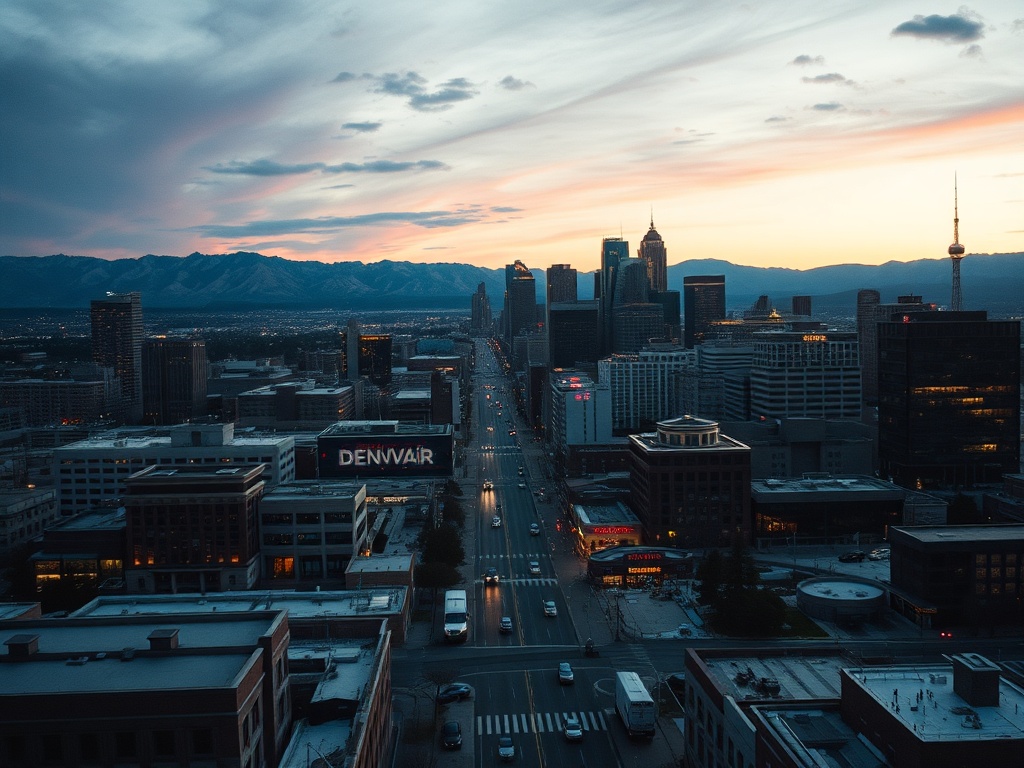
Consider proximity to transit, bike routes, and parks when choosing where to live.
Mobility choices are expanding.
Light rail and commuter lines increasingly knit suburbs to the core, while micro-mobility options (bike-share and e-scooters) fill short-trip gaps. Denver International Airport is accessible by rail and road, making travel straightforward.
Expect continued improvements and investments in regional transit as residents prioritize efficient, lower-emission commuting.
Food, drink, and arts are central to civic life. A thriving independent restaurant scene coexists with an impressive craft-beer culture and an array of food halls and markets that showcase local producers. Cultural institutions—from large museums to the dynamic street-art scene—offer frequent events, pop-ups, and community festivals, keeping the calendar lively.
Sustainability and resilience shape future planning.
Urban forestry, expanding bike infrastructure, rooftop solar adoption, and building-efficiency programs reflect a focus on livability and climate adaptability. Neighborhood-level improvements—new pocket parks, protected bike lanes, and stormwater projects—improve daily life while supporting long-term goals.
Practical tips for newcomers and visitors:
– Layer clothing: Denver’s sun can be strong and temperatures can swing quickly between morning and afternoon.
– Hydrate and respect altitude: drink water, pace exertion, and watch for signs of altitude sickness on longer hikes.
– Use transit for busy nights and airport trips; for mountain adventures, a car is often more convenient.
– Explore beyond the downtown core: smaller neighborhoods and riverfront trails reveal quieter, local favorites.
Denver balances an energetic urban scene with immediate access to nature. For those who value outdoor recreation, cultural variety, and transportation choices, it offers a distinctive lifestyle that rewards curiosity and active living.