Rocky Mountains Guide: Ecosystems, Wildlife, Conservation & Safety Tips
The Rocky Mountains remain one of the most iconic and dynamic mountain systems on the continent, drawing outdoor lovers, wildlife watchers, and conservationists to its high peaks and deep valleys. Stretching from the far north down through rugged ranges and alpine plateaus, the Rockies offer dramatic scenery, diverse ecosystems, and...
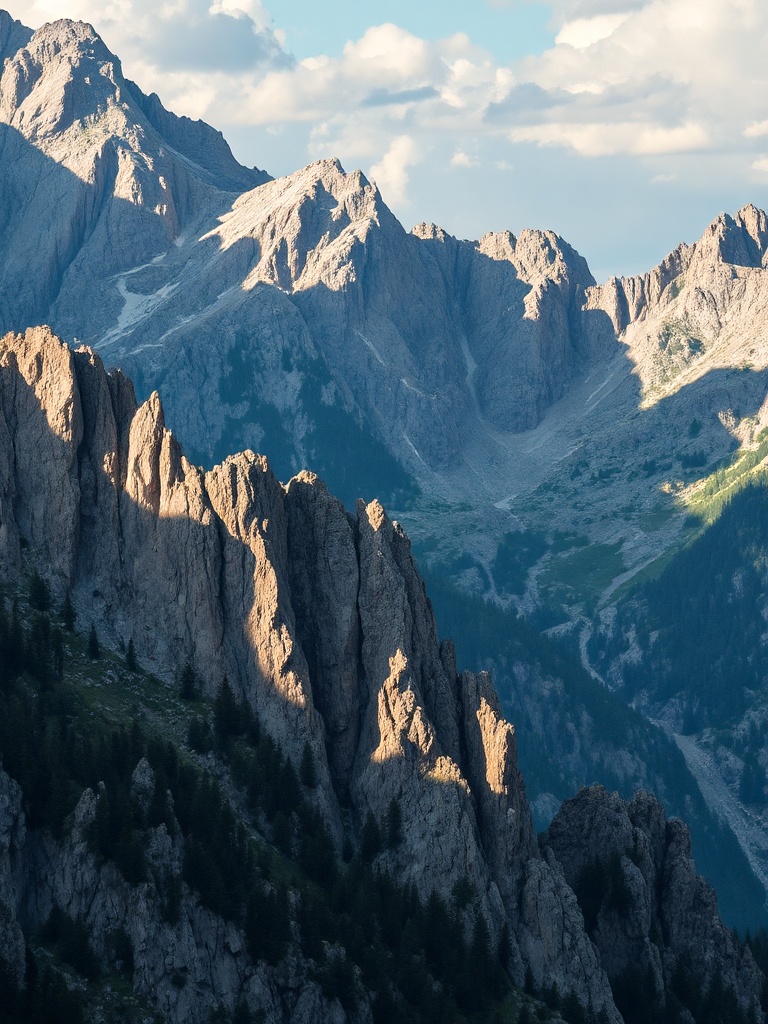
The Rocky Mountains remain one of the most iconic and dynamic mountain systems on the continent, drawing outdoor lovers, wildlife watchers, and conservationists to its high peaks and deep valleys. Stretching from the far north down through rugged ranges and alpine plateaus, the Rockies offer dramatic scenery, diverse ecosystems, and a mix of recreation and stewardship challenges that shape how people experience these landscapes today.
What makes the Rockies special
– Vast elevation range creates distinct zones: montane forests, subalpine meadows, alpine tundra, and glaciated peaks.
Each supports different plants and animals, from lodgepole pine and aspens lower down to alpine wildflowers and cushion plants nearer the summits.
– Rich wildlife: elk, mule deer, bighorn sheep, mountain goats, black bear, and wolves are common sights in many areas; grizzly bears and wolverines persist in some northern and remote places. Pika and other cold-adapted species are sensitive indicators of environmental change.
– Cultural and recreational variety: historic mountain towns, long-distance trails, technical climbs, family-friendly hikes, world-class fishing and rafting, and winter sports all coexist across the range.
Key trends shaping the region
– Changing snowpack and glaciers: shifts in snowfall patterns affect runoff timing, river flows, and reservoir levels downstream, with implications for agriculture, cities, and ecosystems.
– Wildfire dynamics: longer fire seasons, changing vegetation patterns, and increasing human presence near wildlands all influence fire risk and management strategies, including more frequent use of prescribed burns for resilience.
– Conservation collaboration: public agencies, Indigenous communities, non-profits, and local stakeholders are working together on wildlife corridors, land protection, and habitat restoration to maintain biodiversity and connectivity.
– Outdoor demand and management: rising interest in backcountry recreation has prompted stricter permit systems in popular areas, increased education about Leave No Trace ethics, and investments in trail maintenance.
Safety and stewardship tips for visitors
– Prepare for elevation: even moderate hikes can feel strenuous at altitude.
Ascend gradually, stay hydrated, and know the signs of altitude sickness.
– Check weather and avalanche forecasts: mountain weather can change fast.
On snow or in shoulder seasons, learn basic avalanche awareness and carry appropriate gear when traveling in backcountry terrain.
– Respect wildlife and give space: never feed wild animals; keep a safe distance and secure food and scented items in bear country.
– Follow fire regulations and camp responsibly: stay informed about local fire restrictions and always fully extinguish campfires where allowed.
– Stay on designated trails: protecting fragile alpine plants and preventing erosion helps maintain the landscape for future visitors.
– Pack navigation tools: cell service is unreliable in many mountain valleys. Carry a paper map, compass, or GPS device and know how to use them.
Top experiences to consider
– Backcountry hikes into alpine meadows for wildflowers and sunrise views
– Fly fishing on cold, clear mountain rivers and high-elevation lakes
– Scenic drives and train routes that reveal dramatic passes and valleys
– Winter backcountry skiing and snowshoeing in less-developed areas
– Sustainable visits to national parks and protected areas that prioritize long-term conservation
The Rockies continue to be a living laboratory for recreation and conservation alike. Whether seeking solitude on an alpine ridge, watching elk move through a valley at dusk, or engaging with local efforts to protect wildlife corridors, visitors who come prepared and respectful help ensure these mountains remain wild and resilient for generations of outdoor lovers to come.