The Evolution of Interior Design
Interior design has experienced a fundamental transformation. Prescriptive guidelines have faded away, making room for deeper explorations of how our surroundings genuinely impact daily living. Modern design integrates classic knowledge with innovative approaches that completely reimagine successful space creation. Spaces That Tell Your Story Cookie-cutter environments rarely command attention. Truly...
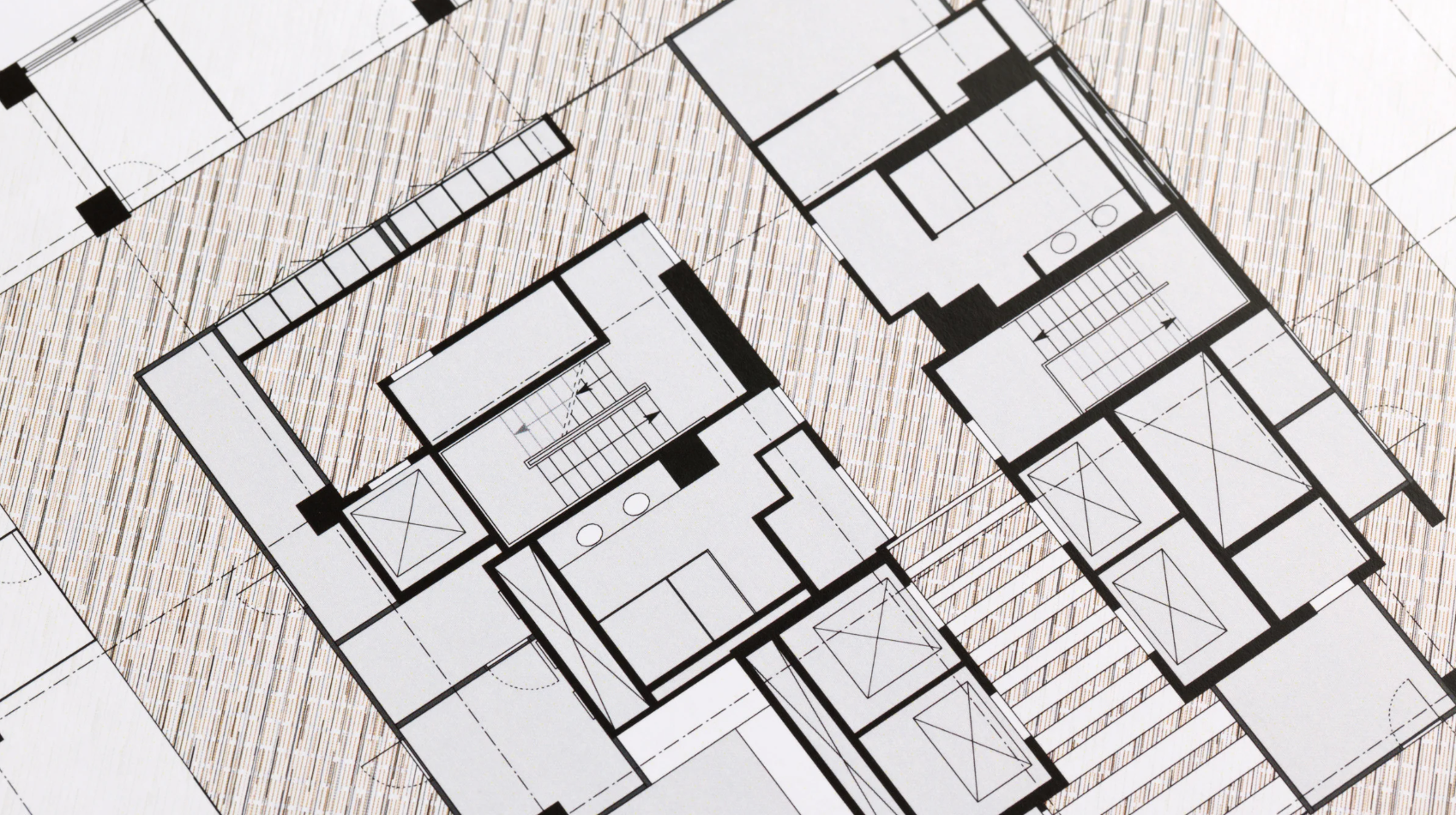
Interior design has experienced a fundamental transformation. Prescriptive guidelines have faded away, making room for deeper explorations of how our surroundings genuinely impact daily living. Modern design integrates classic knowledge with innovative approaches that completely reimagine successful space creation.
Spaces That Tell Your Story
Cookie-cutter environments rarely command attention. Truly captivating interiors reveal authentic glimpses into their inhabitants’ lives. Emerging creative professionals must cultivate skills to interpret personal histories into physical environments that naturally welcome their occupants.
Room elements—from furniture arrangement to color selection to decorative objects—collectively weave comprehensive narratives. Insightful designers recognize enduring value beneath transient fashions. They investigate real-life habits, happiness triggers, and life-defining experiences.
Built elements communicate through intentional organization. Flooring materials establish movement patterns. Furniture positioning shapes human interaction. When designers thoroughly understand these relationships, powerful transformations emerge—spaces connect with users naturally, immediately feeling harmonious because they accurately reflect genuine lived experience.
Livable Beauty Without Compromise
Show-house perfection offers minimal everyday appeal. Cultural preferences have evolved past valuing appearance above usability. Contemporary thinking requires spaces function exceptionally while maintaining visual distinction—refusing sacrifices in either direction.
Finding optimal balance between aesthetic impact and practical utility demands genuine understanding of human behavior—recognizing intuitive pathways, social gathering tendencies, and typical environmental interactions.
Leading design practitioners possess intrinsic spatial comprehension. Visual splendor becomes meaningless when environments hinder their occupants. Successful designs respect natural human movement, create intuitive gathering spaces, and establish logical activity zones. Such thoughtful planning yields seemingly effortless surroundings where daily life proceeds without disruption, with inhabitants rarely noticing the deliberate considerations enabling their comfort.
Unexpected Pairings That Create Magic
Conventional choices typically yield forgettable environments. Innovative approaches deliberately introduce surprising combinations—such experimental juxtapositions distinguish visionary practitioners from mainstream designers.
Unusual color relationships like deep moody tones alongside bright accent hues can produce remarkably harmonious results. These unexpected pairings energize environments, infusing ordinary spaces with distinctive personality.
Material diversity resembles culinary composition; varied elements need not perfectly match but should create balanced relationships. Progressive professionals develop courage to abandon safe formulas, perhaps combining time-worn pieces with streamlined contemporary elements or juxtaposing organic textures against industrial finishes. Such deliberate contrasts generate visual electricity, transforming ordinary settings into memorable, conversation-generating environments.
Engaging Every Sense
While standard approaches focus primarily on visual impact, progressive practitioners consider complete sensory experiences when creating environments that activate multiple perceptions—designing spaces that acoustically satisfy, texturally welcome, and aromatically please.
Thoughtfully selected fragrances don’t merely enhance environment quality—they establish lasting psychological connections. Carefully chosen olfactory elements transform attractive settings into meaningful experiences with enduring emotional significance.
Lighting fundamentally alters spatial perception. Illumination quality dramatically influences psychological responses—identical environments evoke entirely different feelings based primarily on lighting approaches.
Professionals creating truly exceptional spaces must attend to these subtle qualities: surface textures, acoustic properties, and aromatic possibilities. When designers attentively integrate these experiential elements, they create immersive, multi-dimensional environments functioning optimally across all sensory channels.
The design philosophy that emphasizes personal authenticity, practical functionality, creative combinations, and holistic sensory engagement consistently succeeds regardless of shifting trends. These foundational principles establish meaningful connections between people and their surroundings—the definitive measure of design excellence.
Environments created through this approach transcend mere decoration, providing spaces that genuinely enhance life quality rather than simply showcasing current fashion. Such thoughtful design creates surroundings with lasting relevance and meaning, offering genuine support for the ways we actually live, work, and interact with our world.