Ultimate Rocky Mountains Travel Guide: Top Hikes, Wildlife Viewing, Safety & Conservation Tips
The Rocky Mountains stretch across a vast swath of North America, offering dramatic peaks, alpine lakes, and ecosystems that shift from dense montane forests to windswept tundra. Whether you’re chasing powder, planning a multi-day backpacking trip, or simply seeking scenic drives and wildlife viewing, the Rockies deliver experiences that appeal...
The Rocky Mountains stretch across a vast swath of North America, offering dramatic peaks, alpine lakes, and ecosystems that shift from dense montane forests to windswept tundra. Whether you’re chasing powder, planning a multi-day backpacking trip, or simply seeking scenic drives and wildlife viewing, the Rockies deliver experiences that appeal to all kinds of outdoor enthusiasts.
Why the Rockies matter
The mountain chain supports rich biodiversity and serves as a critical water source for rivers and communities downstream. Alpine meadows burst with wildflowers in the growing season, while high-elevation forests provide habitat for elk, moose, grizzly and black bears, mountain goats, bighorn sheep, wolves, and elusive cougars.
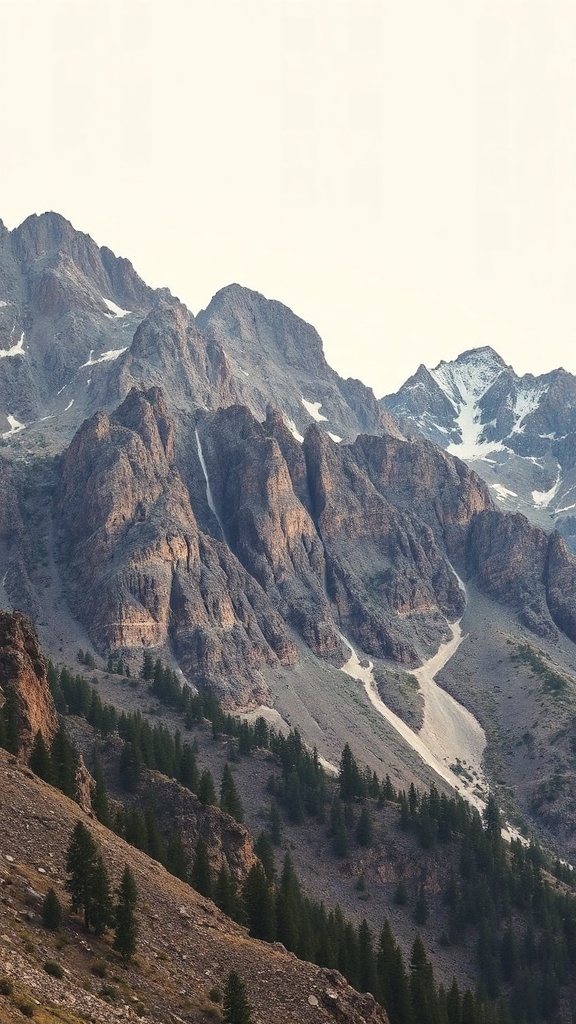
The area also holds deep cultural significance for Indigenous nations including the Ute, Shoshone, Blackfoot, and others, whose histories and stewardship continue to shape the landscape.
Top experiences
– Hiking and backpacking: Trails range from gentle lake loops to challenging high-country ridgelines. Popular corridors offer everything from day hikes to multi-day traverses—expect variable conditions and plan for sudden weather shifts.
– Winter sports: World-class skiing and snowboarding draw visitors to resort towns, while backcountry routes reward skilled travelers with solitude and deep powder. Avalanche awareness and proper gear are essential.
– Scenic drives and road trips: High mountain roads and parkways reveal sweeping vistas, alpine passes, and roadside pullouts for photography and wildlife observation.
– Water recreation: Rivers and glacial-fed streams support fishing, whitewater rafting, and serene paddle trips in lower-elevation valleys.
– Wildlife viewing and photography: Dawn and dusk are prime times to spot large mammals.
Keep distance, use binoculars, and never feed wildlife.
Practical tips for a safe visit
– Acclimatize to elevation: Start with lower-elevation activities and ascend gradually.
Hydration, rest, and avoiding heavy exertion on the first day help reduce altitude-related issues.
– Pack layers: Mountain weather shifts quickly—windproof and waterproof outer layers, warm mid-layers, and sun protection are musts.
– Carry navigation and emergency gear: Trails can be confusing above treeline. Map, compass or GPS, headlamp, first-aid kit, and a reliable communication plan are essential.
– Bear safety: In areas with large predators, carry bear spray where regulations allow and know how to use it. Store food properly and practice campsite hygiene.
– Check conditions and permits: Trail status, road openings, and permit requirements change with seasons and local management.
Confirm details with park or forest service sources before departure.
Conservation and changes to watch
Climate shifts are altering snowpack timing, glacier size, and wildfire patterns, affecting water availability and habitat connectivity. Insect outbreaks and tree mortality have changed forest composition in many places.
Conservation efforts focus on habitat restoration, wildlife corridors, and community-based stewardship to balance recreation with ecological health.
Responsible travel
Observing Leave No Trace principles protects remote landscapes and wildlife. Stay on designated trails, pack out waste, respect seasonal closures, and support local economies by choosing sustainable outfitters and services.
The Rockies remain a place of rugged beauty and adventure, offering opportunities for solitude, challenge, and learning. Plan carefully, respect the land and its peoples, and you’ll experience why these mountains continue to inspire visitors from near and far.